Borrowed Bandwidth: The Spectrum Dependency Risk That Commercial Drone Operators Are Underestimating
The Foundation Most Operators Don't Examine
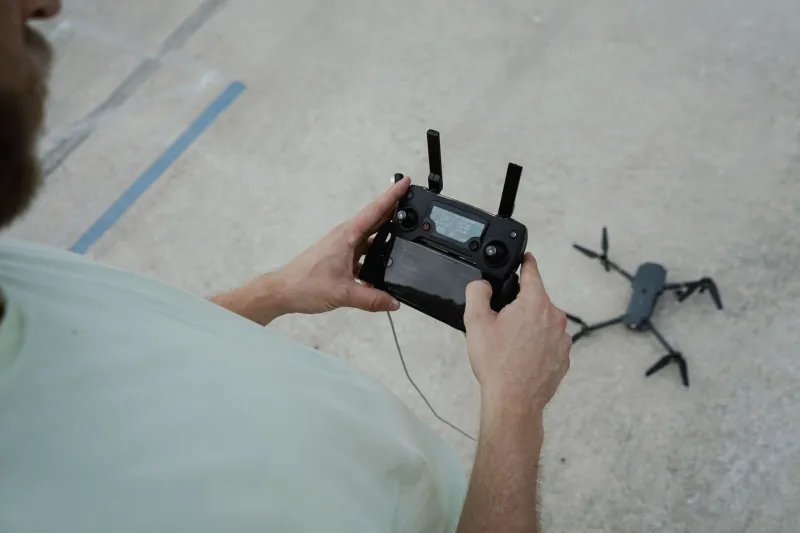
Every commercial drone mission that relies on a radio link to transmit control commands, receive telemetry, or stream video back to the ground is, at its core, a spectrum-dependent operation. The aircraft may be sophisticated, the sensors may be precisely calibrated, and the pilots may be highly trained—but if the radio frequency environment degrades or disappears, the mission degrades or disappears with it.
Most commercial operators in the United States have accepted this dependency without examining it carefully. The 2.4 GHz and 5.8 GHz bands that carry the vast majority of commercial drone communications are unlicensed spectrum allocations. They are available to operators without a spectrum license, which makes them accessible and inexpensive. They are also available to every other device, system, and technology that has been certified to use them—and that list is long and growing.
The comfortable assumption that these bands will remain adequately available for drone operations is increasingly difficult to sustain. The forces reshaping US spectrum allocation are substantial, and they are not moving in a direction that favors commercial drone operators.
The Crowding Problem Is Already Here
The 2.4 GHz band is among the most heavily utilized radio frequency allocations in the country. Wi-Fi networks, Bluetooth devices, consumer electronics, industrial wireless sensors, and a growing population of IoT devices all share this spectrum under the same unlicensed access rules that drone operators rely upon. In high-density environments—urban commercial districts, industrial campuses, large construction sites—the interference environment in this band has become genuinely problematic for drone operations.
Operators who have encountered unexplained control latency, video feed degradation, or sudden link loss in these environments have frequently discovered that the cause was not equipment failure but spectrum congestion. The band was simply too crowded to sustain reliable communication at the moment the mission required it.
The 5.8 GHz band, while historically less congested, is following a similar trajectory. As Wi-Fi 6 and Wi-Fi 6E deployments accelerate across commercial and residential environments, the upper portions of the 5 GHz range are becoming substantially more contested. The FCC's ongoing decisions about spectrum allocation in these ranges reflect competing pressures from telecommunications carriers, consumer electronics manufacturers, and a range of industrial users—none of whom have organized their advocacy around the needs of commercial drone operators.
The 5G Factor
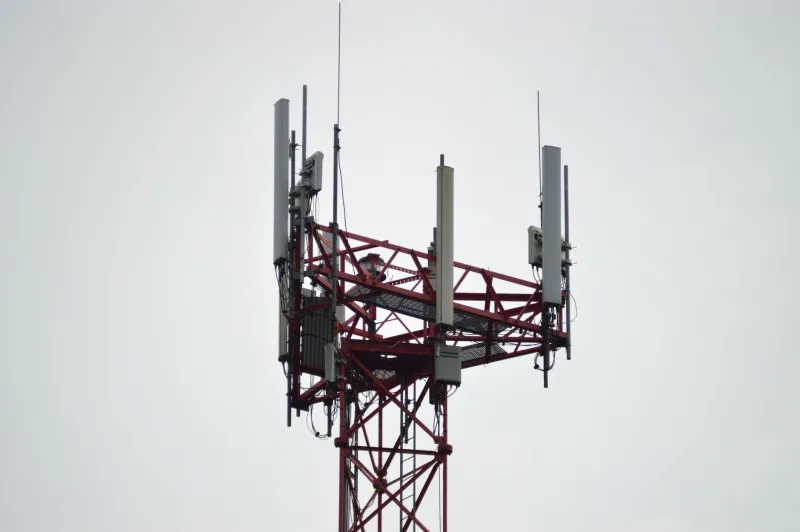
The buildout of 5G infrastructure across the United States introduces a spectrum dynamic that commercial drone operators need to understand in detail. 5G deployments span multiple frequency ranges, including the C-band (3.7–3.98 GHz), which sits adjacent to frequency ranges used by some drone control systems and aviation navigation equipment. The interference questions raised by C-band 5G near airports—which generated significant regulatory attention in 2022—illustrated how rapidly spectrum conflicts can escalate from technical concern to operational disruption.
Beyond interference, 5G represents a potential alternative communications pathway for drone operations, with several manufacturers and service providers developing cellular-connected drone platforms. But cellular-dependent operations introduce their own spectrum risks: coverage gaps, network congestion during high-demand periods, and the possibility that carriers will prioritize other traffic categories over drone telemetry when network capacity is constrained. The idea that 5G solves the spectrum problem for drone operators is premature at best.
Regulatory Reallocation: The Risk That Arrives Without Warning
Spectrum allocation in the United States is a dynamic process managed through an ongoing interplay between the FCC, the National Telecommunications and Information Administration (NTIA), and the various commercial and government interests that compete for access to the radio frequency resource. Allocations that have been stable for years can change when new technologies create demand for specific frequency ranges or when government agencies identify spectrum needs that take priority.
For commercial drone operators, the most significant near-term risk in this category involves potential reallocation or sharing arrangements that reduce effective access to the unlicensed bands on which current operations depend. The FCC has demonstrated a willingness to reconfigure spectrum access when it determines that doing so serves broader telecommunications policy objectives. Commercial drone operators, as a constituency, have limited standing in those proceedings relative to major telecommunications carriers and device manufacturers.
Military and emergency services spectrum preemptions—which can take unlicensed band capacity offline with minimal advance notice in specific geographic areas—represent a related but more immediate form of the same risk. Operators conducting missions near military installations or in areas with active emergency response operations have encountered this dynamic firsthand.
Strategies for Reducing Spectrum Dependency
The appropriate response to spectrum risk is not to abandon radio-linked drone operations—the technology does not currently offer a viable alternative for most commercial applications. It is to build an operational and procurement strategy that acknowledges the dependency and systematically reduces exposure to its most acute failure modes.
Prioritize multi-band capable platforms. Aircraft and control systems that can operate across multiple frequency bands—and that can switch bands dynamically in response to congestion or interference—are substantially more resilient than single-band systems. When evaluating new platform purchases, the flexibility of the communications architecture should be a primary criterion, not an afterthought.
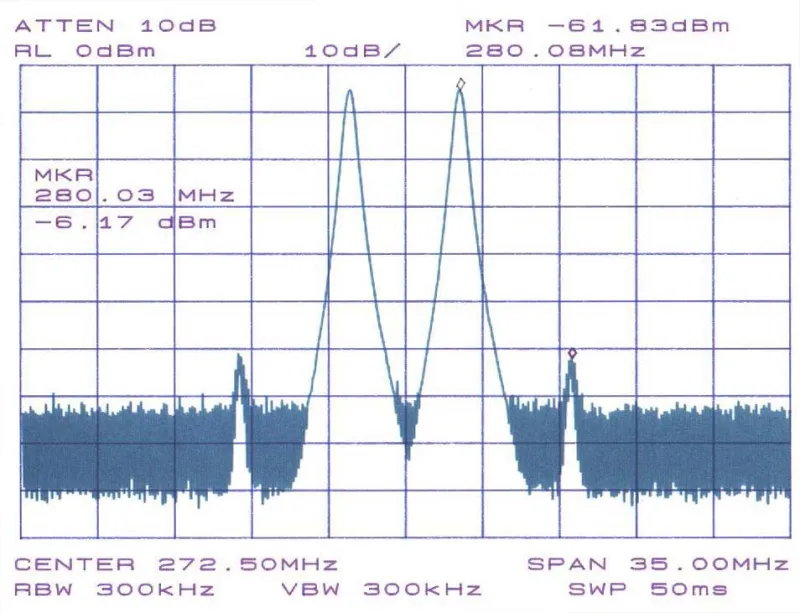
Conduct pre-mission spectrum surveys in complex RF environments. Spectrum analyzers are available at price points accessible to commercial operators and can identify congestion conditions before a mission begins rather than during it. Building this step into standard operating procedures for urban or industrial deployments meaningfully reduces the probability of mid-mission communication failures.
Understand the licensed spectrum options available for your operation type. Certain commercial drone applications—particularly those involving critical infrastructure inspection or public safety support—may qualify for or benefit from licensed spectrum access, which offers protection from interference that unlicensed bands cannot provide. The FCC's licensing framework for Part 90 private land mobile radio and related services is worth examining in consultation with a spectrum attorney or RF engineer.
Engage with spectrum policy proceedings. Industry associations representing commercial drone operators do participate in FCC comment processes and NTIA consultations. Operators who have a material business interest in spectrum availability have both the standing and the incentive to contribute to those proceedings, either directly or through industry organizations.
Model spectrum disruption scenarios in your operational continuity planning. Understanding what a 72-hour loss of reliable 2.4 GHz access in your primary operating area would mean for your business—in terms of revenue, contractual obligations, and client relationships—is the first step toward building contingency plans that are more than theoretical.
The Spectrum Conversation the Industry Needs to Have
Commercial drone operations in the United States have matured rapidly, but the infrastructure assumptions on which they rest have not received proportional scrutiny. Spectrum is not a utility with guaranteed service levels. It is a shared resource allocated through a regulatory process that balances many competing interests, with commercial drone operations representing a relatively modest voice in that balance.
Operators who treat spectrum availability as a given are accepting a structural risk that their operations have not been designed to absorb. Those who recognize it as a variable—and plan accordingly—are building businesses on a more durable foundation.