Captive by Design: The Hidden Costs of Proprietary Robotics Ecosystems and How to Break Free

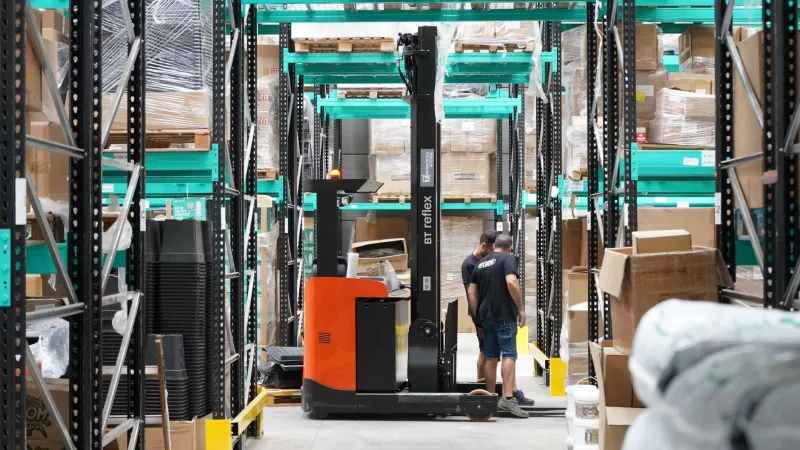
Photo: Ken Lund from Las Vegas, Nevada, USA, CC BY-SA 2.0, via Wikimedia Commons
When a distribution center deploys a fleet of autonomous mobile robots, the procurement team typically focuses on the numbers that are easiest to quantify: unit cost, throughput rate, integration timeline, and projected labor savings. What receives far less scrutiny is the architecture of dependency that many robotics vendors have deliberately embedded into their platforms—and the financial consequences that architecture produces over a five- to ten-year operational horizon.
Vendor lock-in is not unique to robotics. It is a well-documented dynamic in enterprise software, medical devices, and industrial equipment. What distinguishes the commercial robotics sector is the degree to which lock-in is engineered across multiple simultaneous dimensions—hardware, software, infrastructure, and service—creating a compounding effect that operators often cannot escape without absorbing losses that dwarf the original capital investment.
How Ecosystems Are Engineered for Dependency
Proprietary charging infrastructure is frequently the first mechanism operators encounter. A fleet of autonomous mobile robots that requires vendor-specific charging docks cannot simply be supplemented with third-party units when throughput demands increase. Every capacity expansion requires purchasing additional proprietary hardware at vendor-controlled pricing. In some deployments, the charging infrastructure alone represents 20 to 35 percent of the total system cost—and it has zero residual value if the operator ever changes platforms.
Software licensing structures represent the second layer. Many robotics platforms separate the fleet management software from the hardware purchase, creating an ongoing subscription obligation that escalates as the fleet grows. When software licenses are tied to specific robot serial numbers rather than fleet size tiers, operators face the counterintuitive situation of paying higher per-unit software costs as they scale—the opposite of the volume economics they anticipated.
Spare parts availability is the third and often most operationally damaging dimension. Several major robotics vendors have structured their parts supply chains to limit third-party access, requiring operators to purchase replacement components exclusively through the manufacturer or its designated service network. When a vendor discontinues a product line or encounters supply chain disruption, operators with large fleets of that platform face a stark choice: pay premium prices for dwindling authorized inventory, or absorb unplanned downtime while pursuing expensive retrofits.
Case Study: The Switching Cost Reckoning
A regional third-party logistics provider operating in the Midwest deployed a fleet of 47 autonomous mobile robots from a single vendor in 2019. By 2022, the vendor had restructured its software licensing model, increasing annual per-robot fees by 34 percent. The operator sought competing bids and discovered that migrating to an alternative platform would require replacing all existing charging infrastructure, rewriting warehouse management system integrations, retraining staff, and absorbing a minimum 90-day transition period during which throughput would be significantly reduced.
The total migration cost was estimated at 2.3 times the annual software fee increase they were attempting to avoid. They renewed with the incumbent vendor.
This outcome is not unusual. It represents the precise financial calculus that proprietary ecosystem design is intended to produce. The vendor's leverage was not created by the quality of its product—it was created by the cost of departure.
By contrast, a food and beverage manufacturer in the Southeast that deployed a mixed-vendor AMR fleet in 2020 specifically to preserve competitive leverage has reported meaningfully different outcomes. By standardizing on an open fleet management platform compatible with multiple robot manufacturers, the operation retained the ability to competitively bid hardware replacements and expansions. When one vendor's lead times extended significantly during a supply chain disruption, the operator was able to supplement with a competing platform without rebuilding its software environment. The initial integration complexity was higher—but the long-term flexibility has proven financially significant.
Auditing Your Current Exposure
Operators already committed to a proprietary platform are not without options, but the audit process must be honest. The relevant questions are:
Hardware dependency: Can any component of the physical fleet—robots, charging stations, sensors, end-effectors—be sourced from alternative suppliers? If not, what is the vendor's current pricing trend for those components, and what contractual protections, if any, govern future pricing?
Software portability: Does your operational data—route maps, performance logs, throughput metrics—exist in a format that can be exported and used with an alternative platform? Many vendors store operational data in proprietary formats that are not transferable, effectively holding years of operational learning hostage.
Service contract structure: Are maintenance and repair services available from certified third parties, or exclusively from the manufacturer? Third-party service availability dramatically changes the cost structure of an aging fleet.
Contractual exit provisions: What does your current agreement say about contract termination, software license transfer, and data portability? Many operators signed agreements without negotiating these provisions and now have limited contractual recourse.
Negotiating Before Commitment
For operators evaluating new robotics deployments, the time to address lock-in risk is before the contract is signed. Specific provisions worth negotiating include: data portability guarantees in open formats, most-favored-nation pricing clauses for spare parts and software licenses, third-party service authorization, and contractual caps on software fee escalation.
Vendors who resist all of these provisions during negotiation are communicating something important about their long-term pricing intentions. That resistance is itself useful information.
Total cost of ownership calculations that do not model switching costs, software fee escalation, and parts pricing trends over a realistic operational horizon are not total cost of ownership calculations—they are acquisition cost calculations. The distinction is significant, and the operators who understand it before committing to a platform are the ones who retain the leverage to manage their automation programs on their own terms.